Honeysuckle Lotion

On the first day of spring here in New York City, we had some downright vernal weather.

The Manhattan Bridge is seen in the background as commuters make their way through the streets of Dumbo after a snow storm in New YorkDesperate for the tiniest hint of spring, I broke out the honeysuckle essential oil I’ve been holding onto since last October. I’d experimented with lotion before but my results were always hit or miss. One day I’d end up with a perfect, creamy lotion. The next, I’d have a lump of concrete in a puddle of water. I gave up. Last week, though – armed with my little bottle of honeysuckle and facing an nearly-empty bottle of store-bought lotion – I decided to give homemade lotion another try.

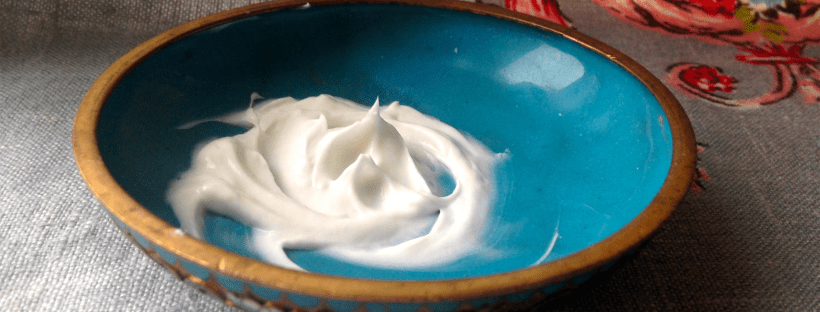
Honeysuckle Lotion

The result was a velvety, floral lotion that I’ve been able to duplicate twice with no concrete disasters.

Continue reading

Milk and Cookies: Homemade Almond Milk and Almond Flour

Right now, I live in an almond milk household. After 25 years of cow milk, I’m living with a couple of lactose-intolerant cuties and so, feeling pretty laissez faire about the source of my milk, I’ve started drinking almond milk.

The thing is, though, I’m kind of almond-milk-intolerant. For a while, I thought my body just didn’t like almonds. Lately, though Trader Joe’s changed the names of all their milks and waters to “beverage” because there’s been all kinds of hubbub about what’s really in the shelf-stable stuff and I started wondering if maybe one of the preservatives was the culprit.

Surprise: It was!

Listen, I’m all about convenience and will continue buying other tetra-brick stuff til the cows come home, but I’m pretty thrilled that I can jump back on the almond milk bandwagon now that I’ve figured out how to make it for myself.

Speaking of convenience, let’s talk about how easy it is. Besides the 4-8 hours of foresight required to throw some almonds and water in a cup, the process of actually making almond milk takes less than 10 minutes and requires minimal clean-up.

The price is pretty good too. Here’s my breakdown:

Homemade Store-bought
Almond Milk $2/L $1.58L
Almond Flour $2/cup $2.95/cup
Total $2  (yay recycling!) $4.53

Continue reading

Sushi and Morriña

Raise your hand if you’re over winter.

Everyone’s hand up? Okay, good, me too.

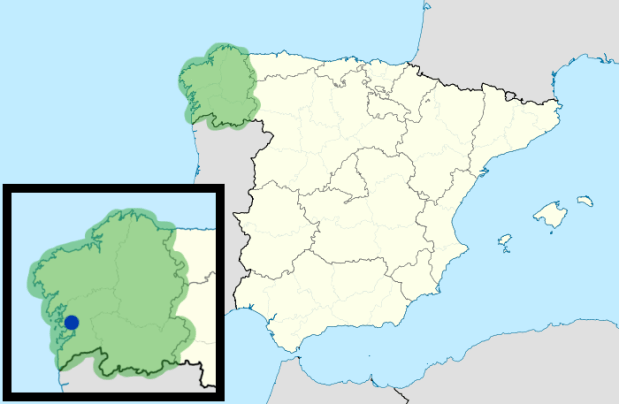
This time two years ago I was all warm and cozy in Galicia, the weirdest, most wonderful corner of Spain you’ve never heard of.

Sushi and Morriña

Pontevedra, Galicia, specifically

Ever wanted to visit Ireland but wish you could speak Spanish while you’re there? Come to Galicia. Prefer bagpipes to flamenco? Galicia’s the place for you. Can’t decide between mountains and beaches? Wish you accidentally stumble upon visit 6,000-year-old ruins while you’re out for a walk? Want to go to a pirate parade in the middle of February? Galicia, Galicia, and Galicia. Ai, que morriña.

Galicia has the best tree-climbing, rainbows, and state beer

Galicia has the best tree-climbing, rainbows, and state beer

Anyway, I’ve been thinking about it because last night, we had a bunch of fly chickadees over for Bad Lesbian Movie Night and made sushi. And sushi makes me think of Galicia. Not because it’s popular there or anything (as far as I can tell, the only thing Galicians eat is ham, ham, ham, octopus, and ham) but because I learned to make it there.

Continue reading

Materia Medica: Calendula

Background

Names
  • Botanical Name: Calendula officinalis
  • Other Names: Bullseye, garden marigold, genda, gold-bloom, holligold, marigold, pot marigold, marybud, zergul
  • Etymology: The name “calendula” comes from the plant’s tendency to bloom along with the calendar, typically flowering at the same time in the moon’s cycle. The name “pot marigold” comes from calendula’s use in German stews.il_570xN.266567222
Growth
  • Appearance: Calendula flowers range from yellow to orange. The blooms resemble highly-colored daisies. The stems grow from 30-60 cm (12″-24″). The flowers open in the morning and close at night.
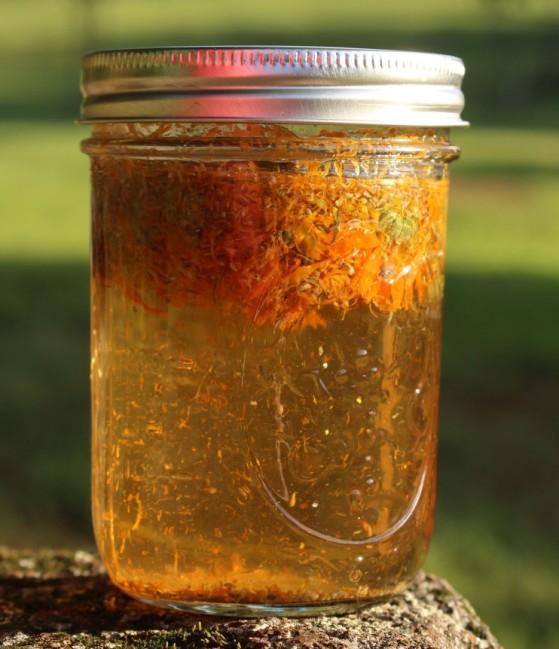
  • Cultivation: Native to the Mediterranean, calendula grows in its natural habitat nearly year-round. An annual, calendula seeds can be sown directly in the garden in April or even in the fall in warmer climates. Although calendula prefers sunshine, rich soil, and occasional watering, it still grows well when neglected. Don’t be afraid to pick the flowers; the more you take, the more calendula gives. Flowers are ready to pick when they are sticky with anti-fungal resin.
  • Parts used: Flower
History
  • Greek and Roman: Romans and Greeks used Calendula garlands in ceremonies.
  • Catholic: Some Catholics call the plant “Mary’s Gold” and use it in ceremonies to honor the virgin
  • Hinduism: Calendula has been used as decorating for Hindu temples, statues and ceremonies
  • Dye: Much cheaper than saffron, calendula is used as a dye for food and fabric
  • Battlefield: Calendula was used to stop bleeding and heal wounds during the American Civil War and World War I
  • Traditional uses: Dye, cuts and wounds, digestive system
  • Symbolism: Endurance, grief, pain, Virgin MaryB1hHA6rCMAAfVsn

 + + +

Medicinal and Practical Uses

*I write about uses for plants as a novice herbalist, not a doctor or scientist; this isn’t medical advice. If you want to use plant-based remedies, find a doctor you trust and respect who also trusts and respects you so that you can work together to make sure you’re the healthiest version of you.

  • Safety: Generally considered safe but may cause an allergic reaction in some individuals who are allergic to daisies, mums, ragweed, or asters. Calendula should not be taken by people who are pregnant or trying to get pregnant.
  • Primary actions (Secondary actions): aromatic, mild astringent,diaphoretic, mucilaginous, (antibacterial, anti-inflammatory, anti-pyretic, antiseptic, antispasmodic, febrifuge, lymphatic, vulnerary)
  • Characteristics: dry, cool
  • Constituents: calendulin, beta-carotene9d0e69de968f774cf66af2f85a18fe04
Circulation
  • Bleeding: Calendula applied locally can help stop small cuts from bleeding.
Digestion
  • Indigestion: When consumed, calendula can sooth digestive issues such as cramps and diarrhea3-drying
Immune system
  • Wounds: Calendula promotes cell growth and keeps infection at bay, which can help wounds heal faster.
  • Fever: Calendula can be drank or used externally as a poultice to keep fevers down.
  • Swollen lymph nodes: Along with exercise, consuming calendula can stimulate the lymph nodes and remove congestion.
  • Ear infections: Calendula drops have been used to treat child ear infections.
  • Canker sores: A strong calendula tea used as a mouth wash can speed the healing or canker sores.
Mind/Body
  • Itch: Calendula soothes itch associated with skin irritations.heal-all-salve-with-calendula
Skin and Hair
  • Burns: Calendula salve can help sooth minor cooking burns and sunburns.
  • Skin Irritation: Whether eczema, diaper rash, or a rash, calendula helps sooth itching and pain while promoting healing.
  • Insect bites and stings: Calendula salve or fresh calendula rubbed on the affected area soothes bee and wasp stings as well as mosquito bites.

+ + +

Cooking

  • Calendula used to be used to color cheese and butter
  • Calendula is drank as a tea for flavor as well as its medicinal qualities
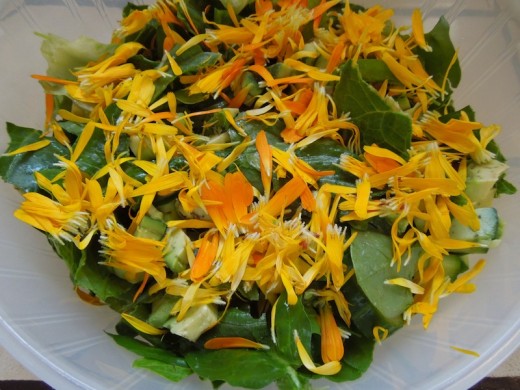
  • Calendula flowers can be eaten fresh in salads9241158_f520

+ + +

Sources

Lavender and Honey Soap

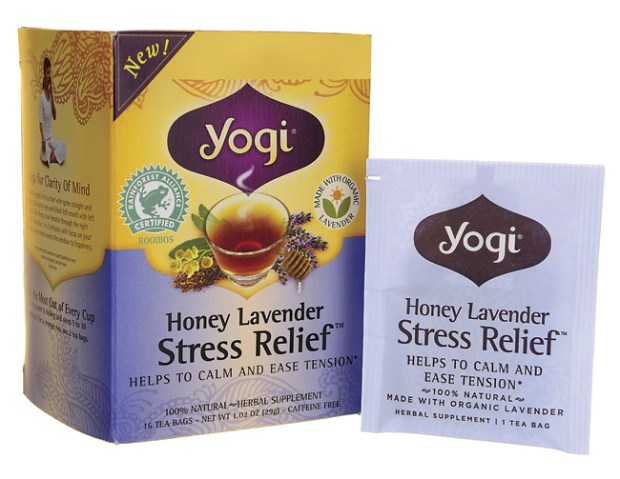
My newest tea purchase was pretty much the opposite of what the box promised.

boring, unfortunately

Lies

Not only did this stuff taste more like plain old boring hot water than honey lavender calmness, I managed to lose my fancy thermos on the day I took this to school. Losing a thermos and being sent to 4 different offices before you find the lost and found, only to find that they haven’t found your lost thing ≠ stress relief.

Still, honey lavender sounds like a pretty delicious combination. Not wanting my box of boring tea to go to waste, I used a a little to make some soap.

IMG_7212

Continue reading

Materia Medica: Burdock

Background

Names
  • Botanical Name: Arctium lappa
  • Other Names: Arctium (from Greek arktos, bear), Bardana (Portuguese and Spanish), Beggar’s buttons,  Clot-bur (bur comes from Latin, burra, a sheep’s wool, which refers to how sheep’s wool became entangled as sheep passed by the plant), Cockleburr, Cockle buttons, Fox’s clote, Gobo (Japanese), Happy major, Hardock, Hareburr, Lappa (from Greek lappa, to seize, Celtic llap, hand), Love leaves, Orelha-de-gigante (refers to how to leaves look like giant ears), Niu Bang Zi (Chinese), Personata, Philanthropium, Poor man’s potatoes, Thorny burr

Burdock, Lesser. (Arctium minus) Grace Road Sapcote SP 4915 9359 (taken 5.7.2006)

Growth
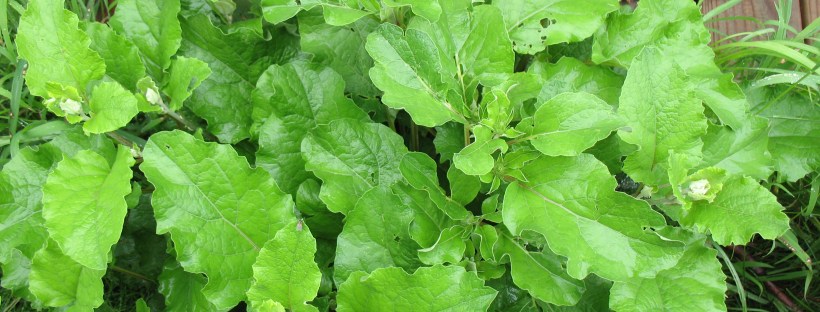
  • Appearance: Burdock is a large plant with gigantic leaves that can grow up to a yard long. The leaves are soft underneath and are oval- or heart-shaped. The plant flowers through the summer and the prickly seed pods mature in the fall.
  • Cultivation: Burdock is considered by many to be a weed and is harder to stop growing than grow. You name it, burdock can grow in it: poor soil, rich soil, hot weather, cold weather, drought, flood. To keep burdock from spreading, cut off the seed pods before they ripen in the fall. Burdock roots and leaves should be dug in July.
  • Parts used: Leaves, root

Screen Shot 2014-10-05 at 1.22.47 PM

History
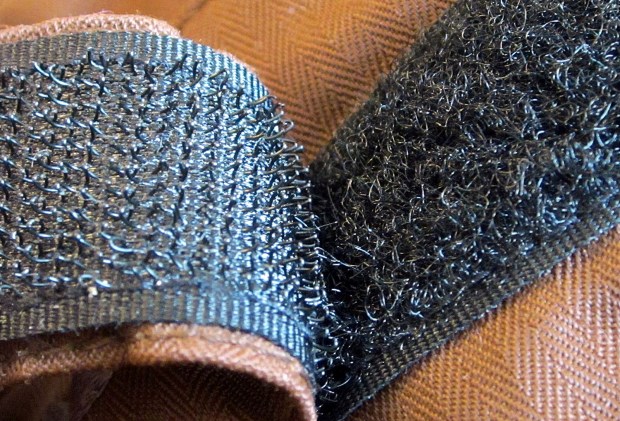
  • Innovation: Burdock’s prickly burrs were the inspiration for velcro. After the inventor came home from a hunting trip in the Alps, he wondered how all the burrs managed to stick to his pants and went to his microscope to investigate.
  • Traditional uses: Both traditional Chinese medicine and European medicine have used it as a blood purifier

velcro

 + + +

Medicinal and Practical Uses

*I write about uses for plants as a novice herbalist, not a doctor or scientist; this isn’t medical advice. If you want to use plant-based remedies, find a doctor you trust and respect who also trusts and respects you so that you can work together to make sure you’re the healthiest version of you.

  • Safety: Contact with the green, above-ground potion may cause contact dermatitis
  • Characteristics: Cool, permanent
  • Primary actions (Secondary actions): Alterative, diaphoretic, diuretic, tonic, (anti-inflammatory, nutritive)
  • Constituents: Inulin
Circulation
  • Wound healing: Applying a poultice of burdock leaves to bruises and wounds may help speed healing.
Digestion
  • Indigestion relief: Burdock root can be used to help with “hot” conditions like indigestion.
  • Diuretic: Burdock is a diuretic; it rids the body of excess water by increasing urine.
Immune system
  • Lymph nodes: Drinking burdock root tea can calm swollen lymph nodes.
Skin and Hair
  • Rash relief: Burdock can be used internally and externally to treat eczema, psoriasis, rashes, and other skin conditions. It’s anti-inflammatory properties ease itching while it’s other properties speed healing. Burdock root can be taken as a tea or applied topically as a salve.
  • Acne: Burdock leaves can help with acne when applied as a poultice or drank as a tea.

+ + +

Cooking

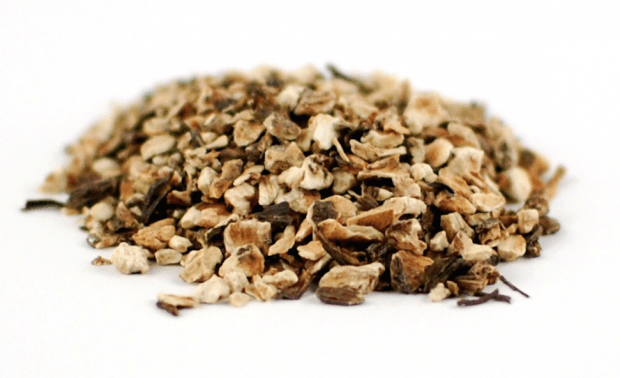
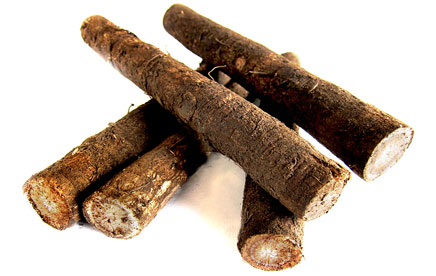
  • Vegetable: The taproot is used as a root vegetable in many Asian cuisines
  • Tea: Dandelion and Burdock is a British soft drink that has been around since the Middle Ages
  • Beer: Burdock was used by European brewers before hops became popular

0000000003091

+ + +

Sources

Carrot and Calendula Soap

So the thing is: I saw this baby food jar and it was really cute.

baby food jar

right?

I wanted to buy it because it was so jar-ish and round and I wanted it for my jar collection. The problem? I have no baby to feed it to (and let’s be real, I’ll probably just make baby food when I have a baby because so far I haven’t met a DIY I haven’t liked. Except knitting. And making pickles. I digress.)

As it turns out, baby food is something you can add to soap. Sound gross? It’s not; the only ingredients in this stuff are pureed fruits and vegetables and water.

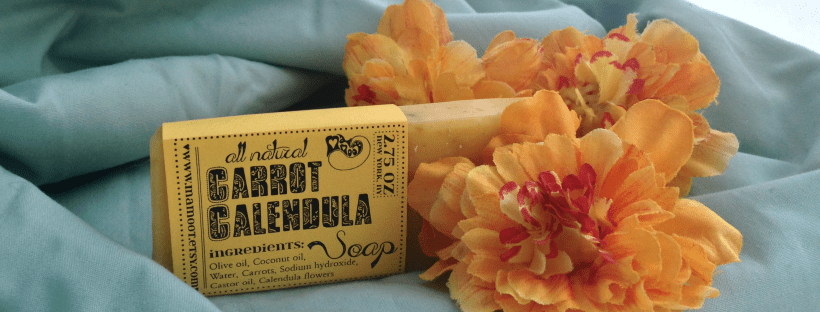
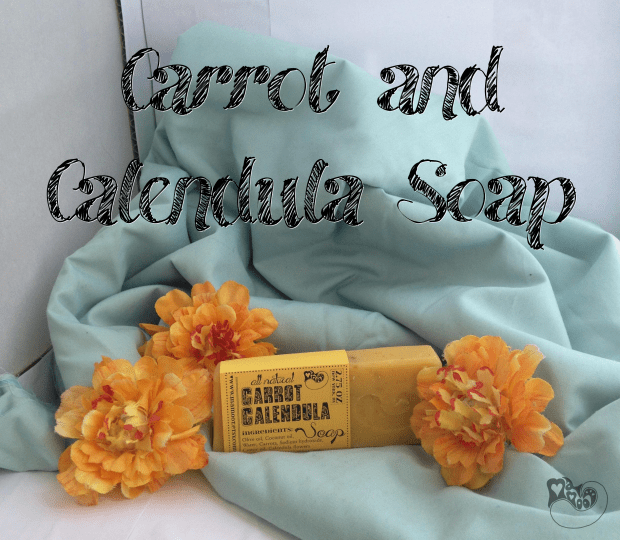
Using a an adapted recipe from the Nerdy Farm Wife, I made 12 pretty little bars of carrot calendula soap. The carrot gives it a great color but doesn’t do much for the scent since it all gets saponified, so you’ll need to add something extra if you want your soap to actually smell like carrots.

Also, I’d heard that using salt water will help your bars come out harder but had never tried it before this batch. Holy smokes, does it make a difference!
IMG_7195

Now that I’ve got the whole function thing down, I took a stab at improving the form of my soap and took four extra steps that made for a really pretty bar. First, I added dried calendula flowers to the batter. I’ve got gobs of them lying around because I have eczema that attacks every winter with the might of a thousand jellyfish and calendula’s good for weird skin stuff. Second, I used my new soap stamp to put a little mammoth tusk in each bar after I sliced them up. Third, after the bars had hardened for a few weeks, I used a vegetable peeler to bevel the sides. See how the corners are square in the naked picture and kind of smooth in the wrapped one? That’s beveling. Finally, I designed wrappers for my soap so that anyone I give a bar to knows exactly what they’re getting.

IMG_6376

Continue reading