Write a Better Paper with Spreadsheets

I am OVER writing papers, y’all. I just counted and in the past year, I’ve written 39 papers. If all this paper writing has taught me anything, it’s that efficiency and organization is what gets you through it all without losing your mind.

Do you know how many amazing sources I’ve lost because I can’t remember where I wrote them down? Do you know how many times I find myself flipping through the Bluebook to figure out whether book titles are italicized or small caps (or neither??)? I know I’m not the only wishes they could just hyperlink everything and be done with it.

Over the past couple dozen papers, though, I’ve figured out a way to keep my thoughts straight(ish). Using some of my favorite media and google docs, I’m gonna teach you how I use spreadsheets to keep my ish in order. You can use this method for any citation format, but I’m going to teach you with APA because I’m not about to Bluebook something for fun. And while it seems like it’s all about citations, it’s really the best way I’ve discovered to keep my writing flow going.


1. Set up a spreadsheet for your sources

Spreadsheets are your friends. They organize tons of information with little effort on your part and that’s exactly what you need when you’re jumbling tons of dates, authors, links and — OH YEAH — trying to turn it into a coherent paper.

Continue reading

Heather’s Cinnamon and Sour Cream Coffee Cake

You know those recipes that your family has been making your whole life? This coffee cake is one of them. It’s always been known in my family as “George’s Coffee Cake” even though I’m 95% certain I’m not related to anyone named George.

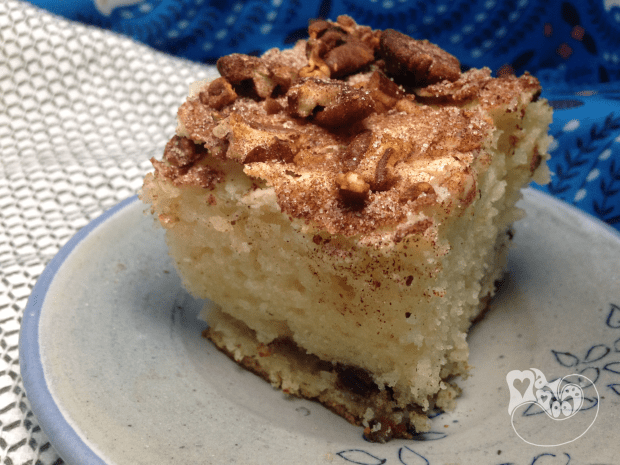
Heather's Cinnamon and Sour Cream Coffee Cake - MamootDIY.com

When my mama and I sat down to add this recipe to our Drop recipe creator a few weeks ago, she decided that it needed re-christened and named it after herself.

Continue reading

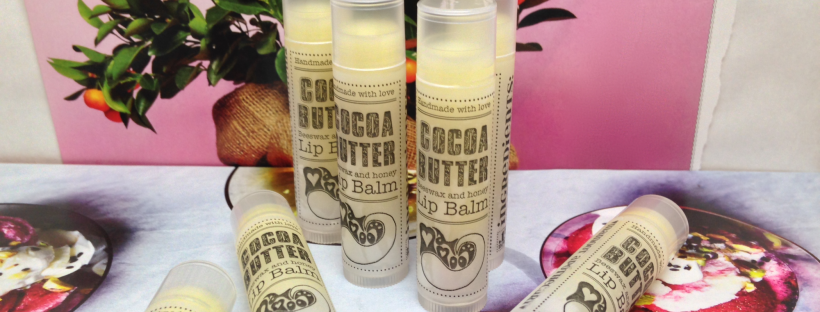
Chocolatey Cocoa Butter Lip Balm

Valentine’s Day means chocolate. Lots and lots of it. With all the sweet people in your life sure to have eaten enough chocolate to last them for the next month, now’s the perfect time to make them a different kind of chocolate kiss.

Cocoa Butter Lip Balm - Mamoot DIY

Continue reading

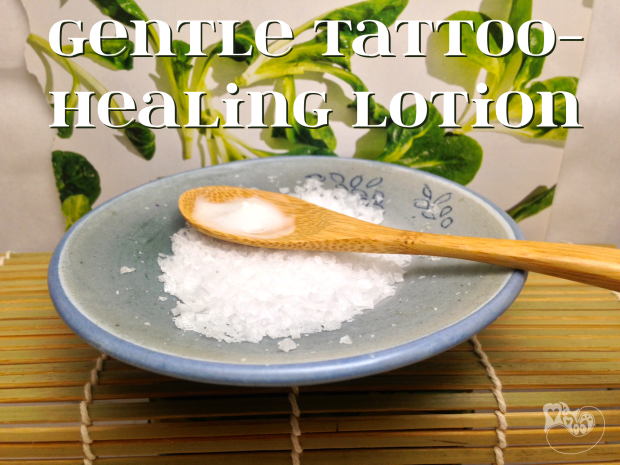
Gentle Tattoo-Healing Lotion

Just recently, my girlfriend came home from a week in Chicago with a new tattoo. After showing me the still-red a-camp mountain on her arm, she went in the other room to rub some lotion on it and – “OW!” As much as I love Vaseline’s lotion, it’s isn’t the most gentle stuff on broken skin.

Wanting to give her something a little less painful and a lot more DIY, I researched tattoo healing and got to work.

Gentle Tattoo Healing Lotion - Mamoot DIY

Continue reading

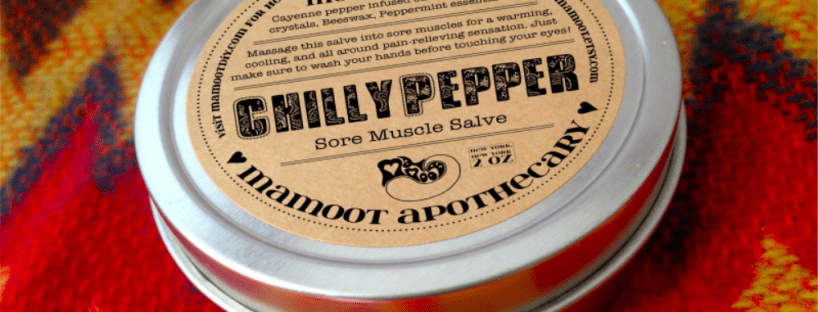
Sore Muscle Salve

Last February — fed up with the stress and meanness of law school — I started playing capoeira as a way to work out all my negative energy.

Now, seven months later, I’m hooked and am helping my group plan for our annual batizado. We’re flying in mestres and profesors from all over, hiring samba teachers, and trying to convince our friends and family to come watch the event. Everyone in my small but mighty little group is doing our part to raise money so, naturally, I decided to whip up something crafty and sell it at the event.

Chilly Pepper Salve - Mamoot

I’ve been wanting to play with cayenne pepper for a long time, but hadn’t gotten around to it between making wintery salves for runny noses and summery bug sprays. But now I’ve got dozens of capoeristas to appeal to and it seems like the perfect time to tackle the pain-relieving powers of cayenne.

Continue reading

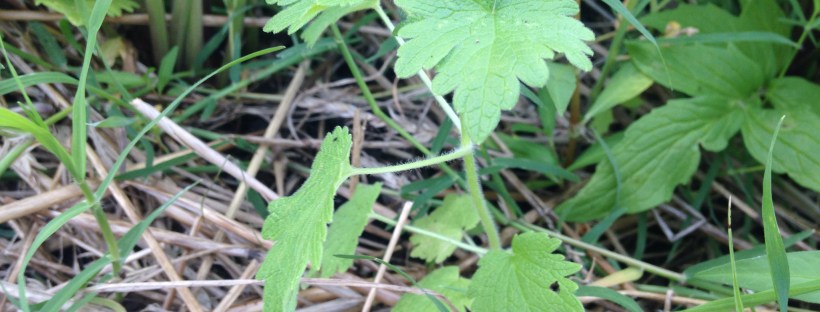
Things I Learned In Summer Herbalism Class

Over the past two weeks, I’ve been taking herbalism classes at the Neighborhood Farm Initiative’s urban farm in Washington, D.C. I got to talk to other plant nerds, ate all kinds of weeds, and learned LOADS. I loved it so much that I’m already planning to sneak back down to D.C. in October to get my season’s worth of herbal info in the autumn classes.

Things I Learned In Summer Herbalism Class

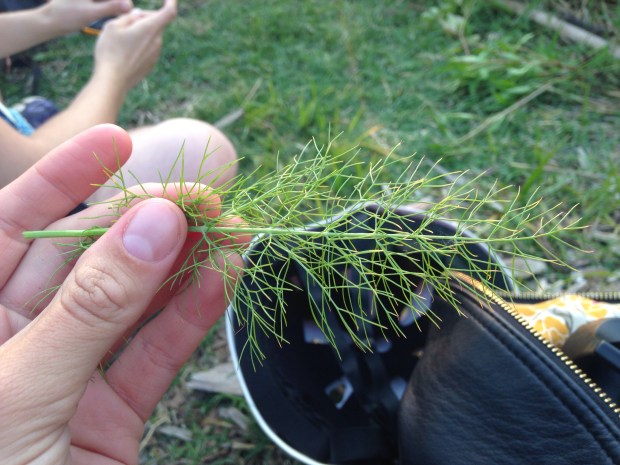
This one is fennel. You might have eaten it as a spice or had the bulb as a vegetable. It’s a member of the carrot family and can help stimulate the production of breast milk. Fascinating, right?

Since it’s summer (and, as everyone in New York reminded me before I can here: summers in D.C. are brutal. (although I hate to burst your collective bubbles, NYC people, but here in D.C. we have air conditioning and trees and sky which makes summertime nine-hundred percent more bearable)), we talked about and touched and smelled and ate cooling herbs – the little guys that help with heat-related ailments like sunburn, bug bites, agitation, nerves, and insomnia. The classes were taught by Holly Poole-Kavana, an herbalist who, in my book, is the perfect balance of woo and evidence-based practices.

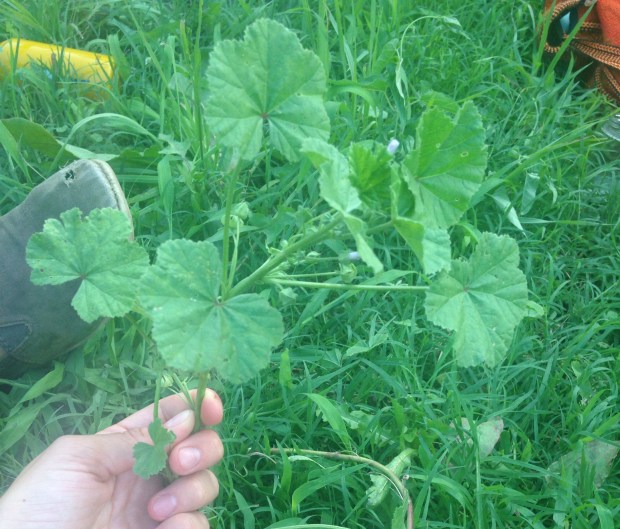
This plant is called cheeses. Yep, just like the dairy product. It's got little pods that look (but don't taste) a lot like cheese wheels. It's related to marshmallow, okra, and hibiscus and can help with dry eyes, mouth, and skin.

This plant is called cheeses. Yep, just like the dairy product. It’s got little pods that look (but don’t taste) a lot like cheese wheels. It’s related to marshmallow, okra, and hibiscus and can help with dry eyes, mouth, and skin.

How much is there really to say about plants? Ohmylord, SO MUCH. I took notes and I know that I still missed gobs. Here are my six favorite things that I learned.

Continue reading

Recycled Aluminum Can Ginkgo Leaf Earrings

My seventh grade English teacher, Mrs. Gunn, had a thing for ginkgo trees. And since Mrs. Gunn was the kind of teacher you couldn’t help but love, we all developed an affection for the old, stinky trees.

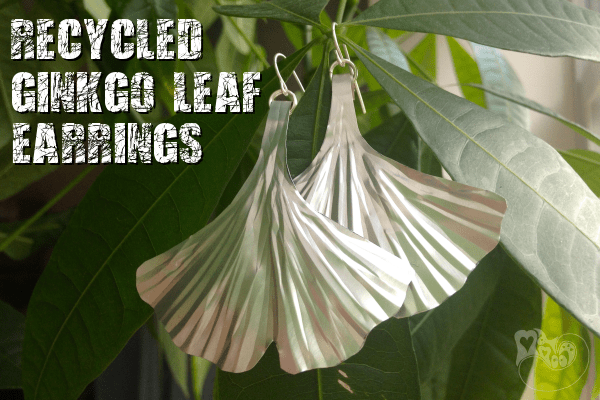
Recycled Ginkgo Leaf Earrings

Almost ten years later in college, my friend – a biology major – taught me more about ginkgos. Like how they’re living fossils (they may be 270 millions years old) and that single trees can live for thousands of years. Ginkgo trees all turn the same brilliant color yellow in the fall because they’re so ancient. While younger trees evolved so that their leaves have more pigments, ginkgos only contain a single yellow pigment that we see when the chlorophyll dies. Ginkos’ fan shape is prehistoric as well. Most plants have veins that diverge and come back together to form complex networks. Not ginkgos; two veins at the base of the leaf split into two over and over in a simple but effective process called “dichotomous venation.”

Continue reading