Fucking Pansies!

Next time someone tries to tell you that queer and trans folks have taken our identities too far, give them a botany lesson. Plants are SO queer, y’all.

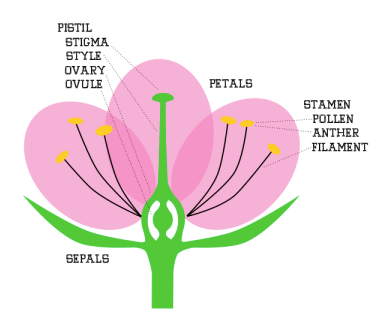
Before we get into all the very exciting sexualities that plants have, let’s talk about their sexy parts. If you’ve ever taken a 6th grade science class, you’ve probably learned about the “male” and “female” parts of plants. Since we’ve all come to recognize that there’s nothing inherently “male” about sperm or “female” about eggs, it’s about time for a vocab rehab. I’m excited about all the trans and queer plant-lovers out there who are rethinking ways that we can talk about and learn from plants. Today, I’m going to talk about “stamens” and “pistils,” and I can’t wait to see what we come up with in the future.

With that in mind, let’s hop in the Magic School Bus and learn all about plants’ bits.

Continue reading

In The Weeds: White Snakeroot

“Weeds are flowers too,” said Eeyore, “once you get to know them.”


A few weekends ago, my boo, Isa, and I went on a walk in Prospect Park. She’s an avid birder (is there any other kind?) and I love plants more than cheese, new shoes, and lots of other Very Good Things. It was my first time in the park in the fall and I was amazed that even in October, there were fat, speckled berries on the trees and a rainbow of flowers along every path.

Although birders keep lists for big days (Isa’s that day had a pin warbler, a dark-eyed junco, a clark’s nutcracker, and 9 others), most plant people want more. We like to know where a plant comes from, how people have used it, how it grows, where it got its name, and at least three fun facts to foist on a friend who never asked us to identify it in the first place.

All of which is a long way of saying that it’s high time for a weekly series where we learn everything we can about weeds. I’m starting with intrigue; this weed’s story is a heady mixture of animal husbandry, deadly contagion and, of course, a good dose of misogyny and white supremacy.


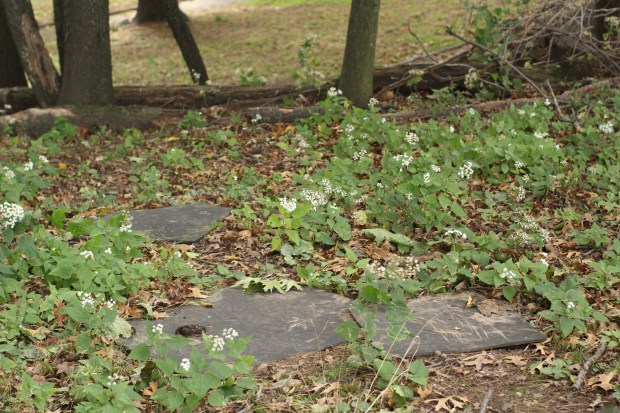
As we walked through Prospect Park, every trail seemed to be bordered with clumps of small, white flowers. I identified them as white snakeroot, but didn’t think much of the nondescript blooms until we left the woods. The same white flowers were peeking from under every tree on Isa’s street and had even colonized a pot on her front stoop. Suddenly, like pumpkin-spice in October, white snakeroot was everywhere.

White snakeroot grows in shady, wet places.

Continue reading

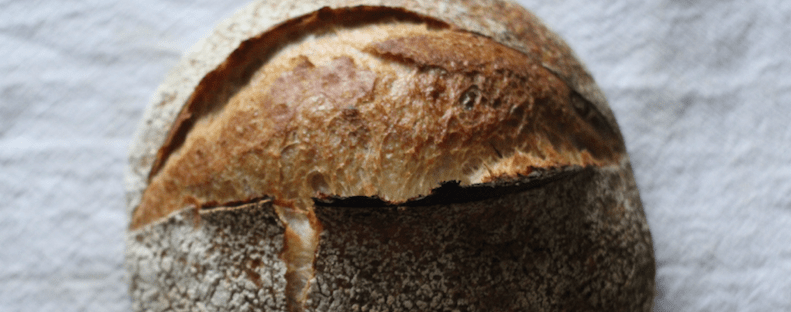
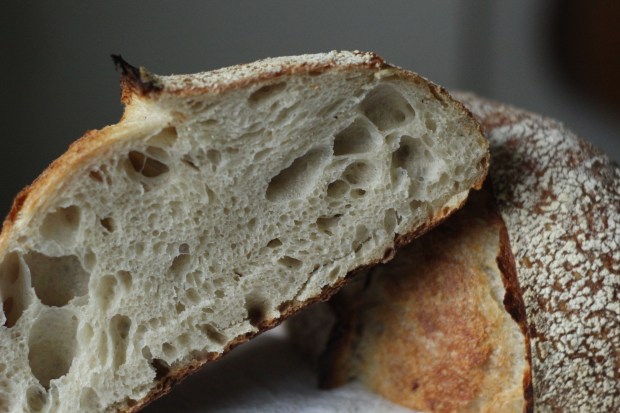
Beginner’s White Wheat Sourdough Boule

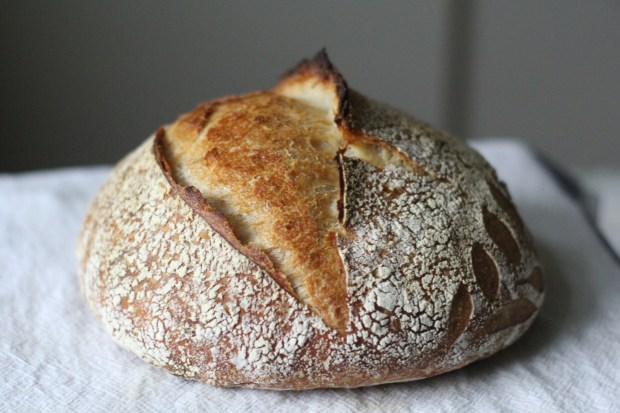
You’ve made your decision. You’ve prepared for days. You’re rough and ready. It’s time… to make your first loaf of sourdough bread!

Take a deep breath; this recipe is so un-fussy that even the least experienced baker can get it to work. We’re working with 100%  white wheat flour so that even if something doesn’t go quite right, you’ll still end up with a really nice loaf of bread.

Continue reading

Making and Baking a Sourdough Loaf

You’ve got a starter, some math knowledge, and all your ingredients and materials pulled together. It’s time to learn the final step: how to build and bake a loaf.

Continue reading

Rounding Up Sourdough Ingredients and Materials

When I start reading bread recipes, I was intimidated by all the special tools baking required. A peel? Sounds like something that should be on an orange. A lame? Rude.

As it turns out, baking bread requires little more than flour, water, and salt. Plus all the fancy stuff can be replaced by things you probably already have in your kitchen.

Continue reading

Baker’s Math Practice Problems

Now that your starter is bubbling away and you’ve learned how to write a recipe, let’s rest and take a day to practice some Baker’s Math. The answers and detailed explanations are at the bottom, so print out the worksheet, grab a pencil and a calculator, and see what you can figure out.

Inspired by practice problems from the Wild Yeast blog.

Problems

1. Convert each recipe to mass

A. Focaccia with 550 g Flour
100% Flour
73% Starter
86% Water
10 % Olive oil
1 % Salt

Continue reading